Hybrid Tool + Report

Published: 2026-05-22 | Updated: 2026-06-16 | Quarterly evidence refresh cadence

12V DC Reversible Gearhead Motors 55rpm Selection Workflow

Start with the 55 rpm 12V preset below, then use the report sections to validate loaded-speed meaning, reversible duty cycle, current headroom, supplier evidence, and RFQ next steps on one canonical URL. The 36 rpm variant stays covered here as an adjacent alias, but the first-screen decision path is tuned for the 55rpm search.

Presets show ratio, current, load-point ambiguity, and RFQ risk immediately.

Tool: 12V DC Gearhead Motor Fit Check

Run ratio, torque reserve, current headroom, lead-time risk, and RFQ next action. For 12v dc reversible gearhead motors 36 rpm or 12v dc reversible gearhead motors 55rpm, start from a preset.

Result target: ratio, torque reserve, current risk, and RFQ next step appear below the input set.

Screening model only. Use result output to structure RFQ, then request torque-speed, thermal, and current validation from supplier before purchase approval.

Empty state

Enter your speed, torque, and current constraints, then click Run 12V fit check to get ratio direction, feasibility status, and RFQ next step.

Canonical routing

"12 volt dc gearhead motor", "12v dc gearhead motor", "12v dc reversible gearhead motors 36 rpm", and "12v dc reversible gearhead motors 55rpm" are merged into this URL to avoid intent-split and duplicate-page risk. The broader "12v 24v 90v dc gearhead motor" query is handled here as an exploratory voltage variant.

12V baseline action

For 12v dc gearhead motor searches, use the checker above for a 12V baseline. If output flags high current, heat, or lead-time risk, evaluate a 24V sibling path or larger frame before supplier RFQs.

36 rpm reversible action

For 12v dc reversible gearhead motors 36 rpm, load the 36 rpm preset, compare the recommended ratio against adjacent standard ratios, and request reversible duty-cycle, thermal-rise, and current-limit evidence.

55 rpm reversible action

For 12v dc reversible gearhead motors 55rpm, use the 55 rpm preset, then verify whether supplier speed is no-load, rated, loaded, or max-efficiency rpm before comparing torque, current, and shaft fit.

Report Summary: Core Conclusions and Numbers

Use this summary to translate tool output into procurement-ready actions. Time-sensitive entries are stamped as of 2026-06-16.

Canonical alias route

/learn/dc-gearhead-motor

The queries "12v dc gearhead motor", "12 volt dc gearhead motor", "12v dc reversible gearhead motors 36 rpm", and "12v dc reversible gearhead motors 55rpm" are intentionally answered on one canonical URL to prevent duplicate decision pages.

36 rpm reversible alias action

Use 36 rpm preset, then RFQ adjacent ratios

The 36 rpm reversible 12V query is a low-speed selection variant, so it should use the tool preset and supplier validation path on this page instead of a standalone route.

55 rpm reversible alias action

Use 55 rpm preset, then verify load point

The 55rpm reversible 12V query is another speed-specific buying variant; the page answers it by separating no-load, rated, loaded, and max-efficiency speed claims before RFQ.

36 rpm public counterexample

244:1, 36 rpm no-load, 12 kg.cm full-load torque

A public 36RPM 12VDC reversible gearhead motor listing proves the alias is a concrete purchasable spec, but its data also shows why no-load rpm alone is insufficient for OEM sign-off.

55 rpm public counterexample

50:1 loaded-speed sample vs 72:1 no-load sample

Public 55rpm rows disagree on speed meaning: one retail listing frames 55RPM at load with 18 A full-load current, while a 31 mm worm row publishes 55 rpm no-load and 42 rpm rated speed.

12V 37D benchmark point

6.3:1-150:1 published ratio span (12V 37D)

Public 12V 37D rows show ratio-driven speed change while stall current remains around 5.5 A for this motor family.

Continuous-current screening guardrail

<= 25% of stall current

Public 37D notes pair this guardrail with a 10 kg-cm continuous load recommendation before model-level thermal validation.

Voltage sensitivity reference

10:1 sample: 1000 rpm @12V vs 490 rpm @6V

Half-voltage conditions can materially shift speed/current behavior, so battery-fed projects need additional margin checks.

Operating-point boundary

10:1 sample: 52% efficiency point vs 35% max-power point

Published 10:1 data shows higher output power comes with materially higher current; continuous-duty decisions should not anchor on max-power rows only.

Regulatory scope boundary

DOE Subpart B scope + 2027 milestone

DOE's electric motor page excludes small motors (Subpart X) and dedicated-purpose pool pump motors (Subpart Z), and marks expanded-scope compliance at June 1, 2027.

Duty-cycle evidence boundary

IEC 60034-1:2026 published 2026-03-13

The latest IEC 60034-1 edition is a rating/performance standard for rotating electric machines; use S-duty language to describe actual loaded, stopped, started, braked, and reversed cycles instead of buying from rpm alone.

Evidence cadence

Quarterly refresh + RFQ verification

Numeric screening is refreshed on a set cadence and must be confirmed with supplier torque-speed and thermal documents before PO.

Decision Bands

Low riskValidateBoundary

Stage1b Audit: Gap-to-Evidence Closure

This round explicitly audits content gaps before adding new claims. Rows marked open are unresolved due to missing reliable public datasets.

Audit GapDecision RiskStage1b EnhancementStatus
Regulatory boundary previously focused on US covered-motor framing.EU-bound projects could misread LVD/EMC applicability and delay compliance planning.Added cross-market compliance triage facts (DOE Subpart B/X/Z, EU LVD voltage thresholds, EMC directive obligations).Closed (updated 2026-05-23)
Voltage-sensitivity row had a data inconsistency at 6V no-load current.Users could understate current needs in battery-edge conditions.Corrected 6V no-load current from 0.12 A to 0.15 A using the vendor technical specs page.Closed (updated 2026-05-23)
Ratio/power/current tradeoff lacked operating-point boundaries.Teams could over-index on max-power rows and miss higher current/heat burden.Added max-efficiency vs max-power operating-point rows and explicit continuous/instantaneous load guardrails.Closed (updated 2026-05-23)
Gear architecture comparison relied too much on narrative text.Spur/worm/hypoid decisions can become anecdotal without explicit efficiency ranges.Added manufacturer-published transmission efficiency and ratio-range references in a dedicated evidence table.Closed (updated 2026-05-23)
Power-cost section had no latest monthly marker.Readers could miss that near-term tariff movement changes annualized OPEX context.Added month-by-month Jan-Mar 2026 industrial tariff rows plus preliminary-estimate status from EIA technical notes.Closed (updated 2026-05-23)
Current-risk recovery path was mostly 12V-internal.Projects near driver-current limits lacked a clear electrical-architecture fallback option.Added catalog-backed 24V sibling-path counterexample (same performance class with about half current draw) and explicit applicability limits.Closed (updated 2026-05-23)
Cross-vendor lead-time benchmark still unresolved.Public lead-time claims can be mistaken for normalized market truth.Kept the uncertainty explicit: no reliable open normalized lead-time dataset is currently available.Open (public dataset gap remains)
36 rpm reversible alias previously lacked direct public model evidence.The page could answer routing intent but still look generic to users comparing a real 36 rpm listing.Added a direct 36RPM 12VDC reversible public-spec snapshot with voltage, current, torque, shaft, ratio, and efficiency fields.Closed (updated 2026-06-11)
Reversible operation was described as an RFQ field, not a mechanical/electrical boundary.Users could assume polarity reversal is enough even when the driver, brushes, gearbox backlash, or stop-before-reverse behavior is the real risk.Added reverse-duty constraints from DC gearmotor manuals and brushed DC motor guidance: polarity reversal, rated-current limiting, brush/commutator wear, and driver sizing.Closed (updated 2026-06-11)
36 rpm speed matching lacked ratio math and tolerance interpretation.A buyer could overfit to exactly 36 rpm and reject viable 34-37 rpm catalog alternatives before load testing.Added a ratio-to-speed bridge showing that 12V catalogs publish nearby 34 rpm, 36 rpm, and 37 rpm rows across different gear families and frames.Closed (updated 2026-06-11)
OpenSpec closure needed to remain auditable after alias merge.Reviewers could see canonical content updates but miss whether the no-dedicated-route decision was formally closed.Archived change 2026-06-11-add-kw-12v-dc-reversible-gearhead-motors-36-rpm-page with completed alias-merge tasks and synced rwa-pages requirement.Closed (archived 2026-06-11)
55rpm reversible alias previously had no direct answer on the canonical page.Users comparing a real 55RPM 12VDC reversible gearhead motor could assume a separate route was missing.Added 55 rpm preset support plus direct public-spec rows covering loaded-speed, no-load speed, current, torque, ratio, and speed-tolerance ambiguity.Closed (updated 2026-06-16)
55 rpm speed claims can describe different load points across vendors.A buyer could compare a 55RPM loaded-speed listing against a 55 rpm no-load datasheet row and make the wrong current or torque decision.Added a load-point interpretation table that separates loaded, no-load, rated, and max-efficiency speed before supplier commitment.Closed (updated 2026-06-16)
Reversal frequency was not tied to a formal motor duty-cycle language.A supplier could answer "reversible" but still omit whether the motor is rated for continuous operation, intermittent starts, electric braking, or variable-load cycles.Added IEC 60034-1:2026 publication boundary plus an S-duty RFQ translation table so 36 rpm and 55 rpm reversible projects can request cycle evidence instead of only rpm/current rows.Closed (updated 2026-06-16)

Applicability and Non-Applicability Boundaries

Input ConditionUse Tool Output?Boundary Interpretation
Target speed 40-220 rpm and torque <= 1.0 N.mYesNormally fits 10:1 to 100:1 screening for 37 mm class with manageable current and lead-time risk.
Target speed below 20 rpmConditionalHigh ratios add backlash/efficiency uncertainty; dual-ratio RFQ is recommended.
Required torque above 4 N.mConditionalMay require larger frame, worm/planetary staging, or duty-cycle derating checks.
Starts per hour above 50 and duty above 16 h/dayConditionalBrush wear and thermal accumulation can dominate lifetime and current margin.
Washdown/high-temperature environmentConditionalIP/sealing and lubricant choices can materially change lead time and cost.
Project needs safety-critical or cert-mandated motor packageNo (without additional compliance track)Tool output is screening only and does not replace certification-specific validation.

Alias Intent Routing (Single Canonical URL)

Commercial and technical variants are intentionally merged so users do not split into duplicate pages with inconsistent guidance.

Query PhraseRoute TargetRouting Reason
dc gearhead motor/learn/dc-gearhead-motorCanonical page with tool-first workflow and report-depth evidence.
12 volt dc gearhead motor/learn/dc-gearhead-motor#alias-12v-reversible-gearhead-motorsAlias merge prevents duplicate route creation and keeps one decision journey.
12v dc gearhead motor/learn/dc-gearhead-motor#alias-12v-reversible-gearhead-motorsVoltage shorthand variant resolved to same canonical tool and report path.
12v dc reversible gearhead motors 36 rpm/learn/dc-gearhead-motor#alias-12v-reversible-gearhead-motorsLow-speed reversible 12V selection variant resolved to the same tool preset, report evidence, and RFQ validation path.
12v dc reversible gearhead motors 55rpm/learn/dc-gearhead-motor#alias-12v-reversible-gearhead-motorsSpeed-specific reversible 12V buying variant resolved to the same tool preset, load-point evidence, and RFQ validation path.
12v 24v 90v dc gearhead motor/learn/dc-gearhead-motorMixed-voltage exploration query lands here first for 12V baseline screening and boundary explanation.

RFQ Validation Gates Before Supplier Commitment

This section turns method assumptions into explicit procurement checklist items.

CheckpointReferenceDecision ImpactRFQ Action
Voltage and supply profile12V DC source mode (regulated vs battery)Supply stability changes both delivered speed and current headroom.State supply topology and allowable current budget in the technical RFQ header.
Continuous-duty current boundaryVendor stall/current notes + duty assumptionsSustained current near stall-region assumptions can invalidate lifetime estimates.Request continuous-current and thermal-rise data at your exact duty point.
Environment and ingress expectationsIEC 60529 IP-code frameworkWrong sealing class can erase benchmark assumptions from indoor test data.Set IP target, cable exit expectation, and maintenance interval before quote comparison.
Mechanical interface compatibilitySupplier drawing and tolerance packageMounting, shaft, and envelope mismatch can invalidate shortlist results.Require dimensional drawing and tolerance notes with quote response.
Regulatory scope classificationDOE Subpart B/X/Z + EU LVD/EMC splitCovered-AC language and CE/LVD language can both be misapplied if market scope is not separated early.Add a compliance-lane field in RFQ (US DOE covered class?, EU LVD scope?, EU EMC evidence path?).
Current-limited architecture fallback12V vs 24V sibling-current behavior in public category notesPersistent high current risk may come from electrical-architecture mismatch, not only ratio/frame mismatch.When current risk stays high after ratio/frame adjustment, evaluate whether an equivalent 24V motor path is feasible at system level.
36 rpm reversible duty definitionDirect 36 rpm listing + DC gearmotor reversal/current-limit manuals + IEC duty-cycle languageExact no-load speed does not prove bidirectional duty capability under the project load.State reversals/hour, dwell time, braking/coast method, load inertia, acceptable loaded rpm band, and whether the cycle should be treated as S1, S2, S3, S4/S5, or supplier-rated boundary duty.
55 rpm load-point definitionDirect 55RPM loaded-speed listing + 55 rpm no-load/rated-speed counterexample + IEC duty-cycle languageThe phrase 55rpm does not say whether speed is unloaded, rated, loaded, or best-efficiency output.State target loaded rpm band, required torque at that rpm, allowable current, whether 50:1 or 72:1 reference rows are acceptable, and the complete reverse/start/brake/rest duty sequence.

Method and Evidence

Method transparency keeps this page auditable and easier to challenge during internal design reviews.

Method Flow

InputsSF loadRatio scanRFQ gateTool output = recommendation + risk + uncertainty + concrete next action
StepExpressionWhat It Delivers
1. Build design torque targetT_design = T_required x service factorService factor combines duty hours, starts per hour, and environment multipliers.
2. Sweep standard ratio setR in [5, 7, 10, 15, 20, 30, 40, 50, 70, 100, 150, 200]Each ratio evaluated by speed gap, torque reserve, and current stress.
3. Estimate speed and available torquen_out = n_motor x load factor / R; T_out = T_motor x R x etaReturns first-pass speed/torque envelope for shortlist building, not final sign-off.
4. Screen current and timelineI_est from utilization; lead-time baseline from ratio + environmentFlags low/medium/high risk for current headroom and delivery window pressure.
5. Convert result to RFQ actionstatus + uncertainty notes + next-step CTAEnsures each state has an actionable procurement path instead of raw numeric output only.

Evidence Coverage

Evidence depth by decision blockDC performance | method | scope boundary | environment
Evidence BlockSourceSnapshot DateHow Used
12V 37D benchmark class overviewPololu 12V 37D metal gearmotor category2026-05-23Used for ratio span, no-load speed spread, recommended continuous/instantaneous load guardrails, and 24V sibling path with about half current draw.
Representative 10:1 electrical and speed pointPololu #4748 technical specs2026-05-23Provides 12V vs 6V sensitivity values for no-load speed, current, stall current, and power context.
Multi-ratio 37D dataset and curvesPololu 37D datasheet (Rev 1.2)2026-05-23Supports ratio-dependent trend assumptions and highlights stall-region caution for screening logic.
DOE standards map + Subpart boundary + 2027 compliance milestoneDOE Electric Motors page2026-05-23Used for official standards/test-procedure references, Subpart B/X/Z separation, and the June 1, 2027 compliance date marker.
Covered-motor criteria boundary text10 CFR 431.25 (Cornell LII mirror)2026-05-23Used to capture the listed covered-class criteria (polyphase AC, 60 Hz, <=600 V, 1-500 hp pre-2027 path).
Nameplate labeling trigger for covered motors10 CFR 431.31 (Cornell LII mirror)2026-05-23Used to distinguish covered-motor labeling obligations from this 12V DC screening workflow.
EU low-voltage scope thresholdEU Commission LVD page2026-05-23Used for the 75-1500 VDC scope boundary and below-threshold consumer-goods note.
EU EMC obligations + certificate warningEU Commission EMC page2026-05-23Used for equipment-level emission/immunity obligations and warning that voluntary certificates are not recognized proof of compliance.
Latest rotating-machine rating/performance standard boundaryIEC 60034-1:2026 Webstore page2026-06-16Used to update the standards boundary: IEC lists IEC 60034-1 as an international standard with publication date 2026-03-13, edition 15.0, ICS 29.160.01, and stability date 2027.
Duty-cycle terminology for RFQ translationParvalux duty cycle guide referencing IEC duty designations2026-06-16Used to translate reversible 36 rpm and 55 rpm requirements into S1/S2/S3/S4/S5/S7/S8/S9/S10-style operating-cycle questions before supplier commitment.
IP code frameworkIEC 60529 publication summary2026-05-23Used to structure environment-related guidance (dust/water ingress classes) in risk and RFQ sections.
Multi-stage transmission efficiency referenceOriental Motor AC Motor Glossary2026-05-23Used to calibrate stage-dependent efficiency decay assumptions for spur-style paths.
Worm vs hypoid efficiency and ratio range referenceOriental Motor Hypoid vs Worm Gears2026-05-23Used to frame high-ratio alternatives and efficiency tradeoffs in the comparison layer.
US industrial power-cost baselineEIA Electric Power Monthly Table 5.32026-05-23Used for annual baseline and Jan-Mar 2026 monthly tariff sensitivity context (release dated 2026-05-21).
Stall-region caution statementPololu product technical notes2026-05-23Supports the guardrail that sustained operation near stall should not be used as procurement baseline.
Direct 36RPM 12V reversible listingJaycar YG2734 36RPM 12VDC Reversible Gearhead Motor2026-06-11Used for direct alias evidence: 36 rpm no-load, 12V nominal voltage, 1.38 A full-load current, 12 kg.cm full-load torque, 244:1 ratio, and 5 mm shaft data.
Direct 55RPM 12V reversible listingNowra Electronics YG2738 55RPM 12VDC Reversible Gearhead Motor2026-06-16Used for direct 55rpm alias evidence: 55RPM at load, 160RPM no-load, 50:1 planetary/orbital gearbox, 18 A full-load current, 75 kg.cm full-load torque, 6 mm shaft, and 12 mm shaft length.
55 rpm no-load vs rated-speed counterexampleNFP NFP-5840-31ZY-S 31 mm reversible gear motor2026-06-16Used to show that a 12V 72:1 row can publish 55 rpm no-load but 42 rpm rated speed with <=0.6 A rated current and 8.5 kg.cm rated torque.
Industrial DC gearmotor reversal/current limitsAutomationDirect IronHorse DC Gearmotors User Manual2026-06-11Used for polarity-reversal wiring, reversible-design feature, 12V rows near 34/36/37 rpm, and the 125% rated-current limit note.
Brush DC gearmotor reversal and wear boundaryAnaheim Automation Brush DC Motor Guide2026-06-11Used for PMDC polarity reversal, brush/commutator maintenance risk, typical 2,000-5,000 hour life range, and selection variables.
Multi-ratio public snapshot (12V 37D reference set)
RatioNo-load speedStall torqueStall currentMax power @ 10 kg-cmInterpretation
6.3:11600 rpm3.0 kg-cm5.5 A12 WHigh-speed edge with low output torque.
30:1330 rpm11 kg-cm5.5 A8 WMid-band screening point with better torque reserve and moderate speed.
100:1100 rpm32 kg-cm5.5 A8 WLow-speed band where torque rises but power cap does not scale proportionally.
150:167 rpm45 kg-cm5.5 A6 WBoundary case: highest ratio in this public set with lower gearbox-limited output power.
Voltage sensitivity check (10:1 sample, public spec page)
MetricAt 12VAt 6VDecision meaning
No-load speed (10:1 sample)1000 rpm490 rpmLower supply voltage can halve speed in first-pass screening conditions.
No-load current (10:1 sample)0.20 A0.15 ACurrent changes with voltage, but ratio selection still needs load-point checks.
Stall current (10:1 sample)5.5 A3.0 ADriver/current-budget assumptions must track supply mode, not nameplate voltage only.
Max power (10:1 sample)14 W7 WBattery sag and undervoltage events can materially compress usable power.
36 rpm reversible alias: direct public-spec evidence
MetricPublished valueDecision useSource note
Public 36 rpm product sample36.0 rpm no-load at 12.0 V nominalConfirms that the long-tail alias maps to an actual low-speed 12V reversible gearmotor class, not only a generic search phrase.Jaycar YG2734 page, captured 2026-06-11
Load point on same sample1.38 A full-load current and 12.0 kg.cm full-load torquePrevents using no-load 36 rpm as the only sizing anchor; driver current and loaded torque must be checked together.Jaycar YG2734 page, captured 2026-06-11
Best-efficiency point on same sample29.0 rpm, 0.32 A, 2.2 kg.cm, 3.8 W, 65.9% efficiencyShows that the efficient operating point can be below the advertised no-load rpm, so exact 36 rpm under load should not be assumed.Jaycar YG2734 page, captured 2026-06-11
Mechanical interface on same sample5.0 mm shaft diameter, 9.0 mm shaft length, solder-tag connectionTurns the alias into drawing-level RFQ checks instead of a speed-only query.Jaycar YG2734 page, captured 2026-06-11
Gear ratio on same sample244:1 gear ratioA 36 rpm target may require high reduction in some compact families, which can raise backlash, efficiency, and wear questions.Jaycar YG2734 page, captured 2026-06-11
36 rpm ratio/speed boundary: exact match vs adjacent rows
ReferencePublished pointBoundary
Jaycar YG273436 rpm no-load, 244:1, 12V nominalDirect alias match, but vendor-specific form factor and loaded-speed behavior must be validated before substitution.
AutomationDirect MTGP-P06-1J03434 rpm, 83:1, 12V, 45 lb.in full-load torqueNear-speed industrial counterexample: a 34 rpm row may be a better fit than exact 36 rpm when torque/current/interface are stronger.
AutomationDirect MTGR-P07-1J03636 rpm, 50:1, 12V, 50 lb.in full-load torqueRight-angle 36 rpm exists in public industrial data, but geometry and current draw differ materially from compact inline listings.
AutomationDirect MTGP-P20-1J03737 rpm, 46:1, 12V, 245 lb.in full-load torqueAdjacent-speed row can be preferable for high torque, but it implies a larger package and higher full-load current.
55 rpm reversible alias: direct public-spec evidence
MetricPublished valueDecision useSource note
Public 55RPM retail sample55RPM at load, up to 160RPM no-load, 50 kg/cm stated loaded torqueConfirms the alias maps to a real heavy-duty 12V reversible gearhead motor class, but the speed is tied to load context.Nowra Electronics YG2738 page, captured 2026-06-16
Electrical stress on the same sample18 A full-load current, 450 mA no-load current, 3.2 A max-efficiency currentPrevents treating a 55rpm search as a low-current hobby assumption; driver, fuse, relay, and trace sizing can dominate.Nowra Electronics YG2738 page, captured 2026-06-16
Mechanical and ratio fields on the same sample50:1 planetary/orbital gearbox, 6 mm shaft diameter, 12 mm shaft lengthTurns the alias into drawing-level checks instead of speed-only matching.Nowra Electronics YG2738 page, captured 2026-06-16
Alternative 31 mm worm reference12V 72:1 row: 55 rpm no-load, 42 rpm rated, <=0.6 A rated current, 8.5 kg.cm rated torqueShows why 55 rpm may mean no-load speed in compact worm data rather than loaded output speed.NFP NFP-5840-31ZY-S page, captured 2026-06-16
Tolerance boundaryReduced no-load speed tolerance listed as +/-15% on related NFP 5840 rowsA nominal 55 rpm no-load row can vary enough that loaded-speed tolerance should be negotiated explicitly.NFP 5840 gear motor page, captured 2026-06-16
55 rpm load-point boundary: loaded vs no-load references
ReferencePublished pointBoundary
Nowra/Jaycar YG273855RPM at load, 160RPM no-load, 50:1 planetary/orbital gearbox, 18 A full-load currentBest treated as a high-current loaded-speed sample; do not compare it directly to low-current no-load rows.
NFP-5840-31ZY-S-124072:1, 55 rpm no-load, 42 rpm rated, <=0.6 A rated current, 8.5 kg.cm rated torqueCompact worm row with much lower rated current; loaded speed is below 55 rpm, so the acceptable rpm band must be stated.
NFP related 12V/24V 5840 notes+/-15% reduced no-load speed toleranceNominal rpm labels are not precision guarantees; verify loaded-speed tolerance and direction-to-direction variance.
Canonical fit-check outputRecommended ratio plus current/lead-time riskUse the tool result to create a shortlist, then request supplier torque-speed curves at the exact load and reversal profile.
Reversible-duty checks before accepting a 36 rpm or 55 rpm result
CheckpointEvidenceDecision impact
Direction control methodBrushed PMDC gearmotors can reverse by swapping supply polarity; an industrial DC gearmotor manual says reversing positive and negative leads changes shaft direction.The control circuit must be designed for polarity reversal, not wired as a one-direction appliance motor.
Driver and contact current ratingAutomationDirect marks its DC gearmotor rows with a current-limit note: current must not exceed 125% of rated gearmotor current.Do not size relays, H-bridges, traces, connectors, or fuses from no-load current; use rated/load and startup evidence.
Brush and commutator wearAnaheim Automation identifies brushes and commutator as wear points and states typical brush DC motor life often ranges from 2,000 to 5,000 hours depending on usage.Frequent bidirectional starts raise maintenance and lifetime questions; brushless or different gearbox paths may be cheaper over lifecycle.
Reversal timingPublic actuator/control guidance warns that instant polarity reversal at speed can create back-EMF stress; supplier stop-before-reverse requirements remain model-specific.If the application reverses under load, ask for permissible reversal frequency, brake/coast profile, and controller protection method.
Duty-cycle translation for 36 rpm and 55 rpm reversible RFQs
Duty framePublic meaningDecision boundaryRFQ action
S1 continuous running dutyConstant load maintained long enough for the machine to reach thermal equilibrium.Use only when the 55 rpm or 36 rpm load point is expected to run steadily for long periods.Request continuous thermal-rise data at target loaded rpm, torque, ambient temperature, and supply voltage.
S2 short-time dutyConstant load for a limited time, followed by de-energized rest long enough to return toward coolant/ambient temperature.Fits occasional gate, latch, or positioning motion better than a blanket continuous-duty assumption.State maximum on-time per move and required rest/cooldown interval; ask supplier to rate the exact minutes.
S3 intermittent periodic dutyIdentical load/rest cycles where the starting phase is not a meaningful temperature-rise contributor.Useful when reversal starts are gentle and repeated but the motor rests between moves.Specify cycle period, loaded seconds, rest seconds, and cyclic duration factor; do not rely on starts/hour alone.
S4/S5 starting or electric-braking dutyCycles where starting time and, for S5, electric braking are part of the thermal load.Relevant when a 55 rpm reversible drive changes direction under meaningful inertia or uses active braking.Give motor inertia, reflected load inertia, acceleration time, braking/coast method, and reversals/hour.
S7/S8/S9/S10 variable or no-rest dutyContinuous-operation, multi-speed, non-periodic, overload, or discrete-load patterns that need a complete time sequence.Treat as boundary risk for compact brushed gearmotors unless the supplier rates the whole load sequence.Mark as "待确认 / supplier cycle rating required" until a written cycle map covers every speed, load, stop, and reverse segment.
Operating-point boundary (10:1 sample)
Operating pointPublished dataDecision meaningBoundary note
Max efficiency point (10:1 sample, 12V)850 rpm, 0.91 A, 0.66 kg-cm, 5.7 W, 52% efficiencyA better baseline for continuous-duty screening than max-power rows when thermal margin is limited.Still requires supplier thermal-rise confirmation at the project duty profile.
Max output power point (10:1 sample, 12V)500 rpm, 2.8 A, 2.3 kg-cm, 12 W, 35% efficiencyHigher shaft power comes with much higher current and lower efficiency, so driver and heat risk increase.Use as short-duration capability context, not default continuous operation target.
Category-level continuous/stall guardrailRecommended continuous load around 10 kg-cm, instantaneous load around 25 kg-cm, and 25% or less of stall currentProvides a first-pass ceiling before detailed model-specific validation.Catalog guidance is not a substitute for per-model duty-cycle and endurance evidence.
Gear architecture evidence (published efficiency/range references)
ArchitecturePublished rangeHow usedSourceSnapshot
Parallel-shaft gearhead (GN example)90% (1 stage), 81% (2 stage), then 73%/66% with added stagesSupports stage-count penalties in screening efficiency assumptions.Oriental Motor AC Motor Glossary2026-05-23
Worm gearTypical efficiency about 40%-85%; common single-stage ratios 5:1-60:1Useful for high reduction and self-locking behavior, but efficiency penalties can dominate duty OPEX.Oriental Motor Hypoid vs Worm Gears2026-05-23
Hypoid gearTypical efficiency about 95%-99%; multi-stage ratios can reach 120:1Alternative for high-ratio paths when worm-gear losses are unacceptable.Oriental Motor Hypoid vs Worm Gears2026-05-23
Regulatory boundary facts (time-stamped)
FactTime markerDecision impact
DOE states this page covers 10 CFR 431 Subpart B and explicitly excludes small electric motors (Subpart X) and dedicated-purpose pool pump motors (Subpart Z).DOE page capture: 2026-05-23Do not assume every low-voltage motor inquiry belongs to the covered-motor compliance lane.
DOE lists the direct final rule effective date as 2023-09-29 and the compliance date as 2027-06-01.DOE page capture: 2026-05-23Projects nearing 2027 procurement windows should track whether final motor class migrates into covered scope.
10 CFR 431.25(g) criteria include polyphase AC 60 Hz line power, <=600 V, and 1-500 hp (plus listed design constraints).10 CFR text capture: 2026-05-23Most 12V brushed DC gearmotor pre-screening workflows do not satisfy this covered-AC profile.
10 CFR 431.31 requires nominal full-load efficiency and DOE CC number labeling for covered motors.10 CFR text capture: 2026-05-23If customer documentation requests DOE CC labeling, run a covered-class check before locking the sourcing path.
EU LVD (2014/35/EU) scope is 50-1000 VAC and 75-1500 VDC; below-threshold consumer goods are addressed by the EU general product safety directive.EU Commission LVD page capture: 2026-05-23Typical 12V DC assemblies are usually outside LVD voltage scope, so do not use LVD language as default evidence.
EU EMC directive states equipment should not generate electromagnetic disturbance and should not be unduly affected by it when used as intended.EU Commission EMC page capture: 2026-05-23Even when LVD is out of scope, EMC obligations can still apply at equipment level for EU market entry.
Cross-market compliance triage (US/EU)
Market trackTriggerNon-applicability boundaryMinimum action
US DOE covered electric motorsProduct must be in DOE covered class (10 CFR 431 Subpart B context). DOE page separates Subpart X small motors and Subpart Z pool-pump motors.Most 12V brushed DC gearmotor pre-screening projects are not automatically in this lane.If DOE CC label or federal efficiency language is requested, run a covered-class gate before PO.
US expanded-scope timingDOE shows direct final rule effective 2023-09-29 and compliance requirement on 2027-06-01.No immediate requirement unless the final classified product is covered and sold into impacted channels.Flag procurement programs crossing June 2027 for an early compliance-track review.
EU LVD 2014/35/EUElectrical equipment at 50-1000 VAC or 75-1500 VDC.12V DC hardware is typically below LVD voltage scope by default.Do not claim LVD conformity as the primary basis for a 12V assembly without a separate scope analysis.
EU EMC 2014/30/EUEquipment placed on the market must control emissions and maintain immunity in intended use.Not voltage-threshold driven in the same way as LVD; voltage alone is not a pass/fail scope check.Define EMC evidence and test path for the full equipment configuration, not motor-only claims.
Wired-Power Cost Sensitivity Context (optional for 12V systems)
CaseAnnual EnergyCost ContextInterpretation
12V reference, 30 W electrical input, 4000 h/year120 kWh~$10.34/year (2025 annual avg at 8.62 cents/kWh)EIA Table 5.3 release on 2026-05-21 keeps this as baseline context.
12V reference, 60 W electrical input, 4000 h/year240 kWh~$20.69/year (same annual baseline)Shows linear sensitivity for higher-duty or higher-load operating points.
Jan-Mar 2026 monthly sensitivity (preliminary rows)same energy assumption~$10.30 to $11.15 (30 W case)Using Jan 9.29, Feb 8.95, Mar 8.58 cents/kWh; Jan-Mar YTD shown as 8.94 cents/kWh.
Battery-fed mobile systemproject-specificN/AUse battery-cycle and charging strategy model instead of grid tariff only.
EIA Table 5.3 monthly industrial tariff rows (30 W annualized)
PeriodIndustrial rate30 W annualized costSource note
2026-019.29 cents/kWh~$11.15/yearTable 5.3 monthly row (preliminary estimate).
2026-028.95 cents/kWh~$10.74/yearTable 5.3 monthly row (preliminary estimate).
2026-038.58 cents/kWh~$10.30/yearTable 5.3 monthly row (preliminary estimate).
2026 YTD (Jan-Mar)8.94 cents/kWh~$10.73/yearYTD aggregate in the same release.

Evidence Gaps and Pending Validation

Items below are explicitly marked unresolved where open public datasets are insufficient for normalized benchmarking.

QuestionStatusCurrent ReadingMinimum Next Step
Open, normalized transaction-price index for equivalent 12V DC gearhead assembliesNo reliable open benchmarkPublic pages mostly show list prices or SKU-level snapshots without harmonized configuration mapping.Treat budget output as heuristic and require model-equivalent quote sheets from multiple suppliers.
Cross-vendor, duty-matched lifetime curves under identical starts/hour and thermal envelopePartial public data onlyDatasheets often publish per-model curves, but cross-vendor normalized sets are scarce.Request comparable duty-cycle validation curves in RFQ package for shortlist finalists.
Public lead-time benchmark segmented by IP class + shaft customization + encoder optionsNo reliable open benchmarkLead-time statements are typically broad and not normalized to detailed configuration variables.Run dual-configuration RFQ and compare promised lead-time against matched spec template.
Open vendor-neutral duty-cycle limit for compact 36 rpm reversible 12V gearmotors待确认 / no reliable public normalized datasetPublic sources confirm reversible wiring and sample specs, but permissible reversals/hour and stop-before-reverse timing remain model-specific.Require supplier written limits for reverse frequency, thermal rise, brush service interval, and controller protection method.
Open vendor-neutral equivalence map for 55rpm reversible 12V gearhead motors待确认 / public rows are not normalizedPublic rows confirm 55rpm as a real buying phrase, but one source uses loaded speed while another uses no-load speed with lower rated output.Normalize quotes by load point, torque, current, shaft geometry, gearbox type, and reversible-duty limits before comparing price.
Counterexamples and minimum recovery path
ConditionFailure modeMinimum fix
Target ratio is high (for example, >=100:1) and current budget is tight.Torque may look sufficient on paper while gearbox-limited output power and heating margins fail in duty testing.RFQ two adjacent ratios and require continuous-current plus thermal-rise curves at your exact duty point.
Supply profile includes battery sag or long cable voltage drop.Speed/power assumptions from nominal-voltage points can overstate real output at startup.Measure loaded bus voltage at startup and rerun screening with derated supply assumptions.
Current risk remains high after ratio/frame optimization in 12V architecture.Teams can keep tuning mechanical parameters while the electrical architecture remains the main bottleneck.Use an explicit 24V sibling-path feasibility check (about half current draw claim) before escalating custom motor complexity.
Project requires compliance language from covered motor rules.Using a 12V screening result as final compliance evidence can create documentation gaps at sign-off.Run a covered-class check against 10 CFR criteria and collect any required labeling evidence before PO.
Lead time is a hard gate but configuration includes sealing or shaft customization.Public catalog lead-time expectations are not normalized across vendors and can be misleading.Use dual-path RFQ with matched spec templates and compare written commits, not headline claims.
The spec says exactly 36 rpm but the load curve needs 29-37 rpm under real torque.A no-load 36 rpm product can slow materially at efficient or loaded operating points, causing over-tight speed promises.Define acceptable loaded rpm tolerance and request torque-speed data at both rotation directions.
The spec says exactly 55rpm but the supplier row mixes loaded, no-load, and rated speed labels.A team may approve a motor that reaches 55 rpm only unloaded, or reject a heavier 55RPM loaded-speed option because its no-load speed is 160RPM.Define the load point in the RFQ and require current, torque, and thermal data at the exact loaded-speed band.
The application reverses frequently but the quote only says "reversible".Direction control may be possible while the motor, brushes, driver, or gearbox is not rated for the actual start/brake/rest thermal cycle.Convert the motion profile into S-duty language or an equivalent time sequence, then require written supplier confirmation before PO.

Option Comparison and Tradeoffs

Option PathRatio BandPrecision BandTypical Lead TimeTradeoff
Spur DC gearmotor package5:1 to 100:1MediumNo reliable open normalized benchmarkPublished stage-efficiency examples are high at low stages but drop as stages accumulate; verify final package losses with supplier curves.
Planetary 12V DC gearhead package5:1 to 200:1Medium to highNo reliable open normalized benchmarkOften improves torque density and backlash, but open cross-vendor lifecycle/lead-time benchmarks remain limited.
Worm-gear DC package5:1 to 60:1 (single-stage reference)Low to mediumNo reliable open normalized benchmarkReference efficiency is typically lower (about 40%-85%); validate thermal and OPEX penalties early.
Hypoid alternative pathUp to 120:1 (multi-stage reference)MediumNo reliable open normalized benchmarkCan preserve high efficiency (about 95%-99%) at higher reduction, but SKU availability is vendor-specific.
24V sibling motor path (same 37D performance class)Same catalog ratio family (when equivalent 24V SKU exists)Electrical-system redesign requiredNo reliable open normalized benchmarkCategory notes indicate approximately similar performance with about half current draw at 24V, but this 12V-only tool does not model 24V driver/architecture impacts.

Risk Map and Mitigation Plan

Risk Matrix

High impactHigh probability
RiskImpactMitigation
Selecting ratio from speed onlyTorque reserve collapses under peak load or startup transientsFreeze ratio only after service-factor-adjusted torque check.
Ignoring current budget from driver or battery pathVoltage sag, overheating, and unstable startup behaviorTrack estimated continuous current against supply and driver limits in the same shortlist.
Using stall values as continuous capabilityPremature wear, thermal overload, or gearbox damageUse continuous guardrails and request supplier duty-cycle curves before approval.
Skipping ingress-protection requirement definitionUnexpected contamination failures and accelerated maintenance cyclesSpecify target IP level and sealing package directly in RFQ checklist.
Assuming all 12V listings are interchangeableMismatch in shaft geometry, backlash, or mounting envelopeRequire drawing-level confirmation and mounting tolerance checks.
Treating this screening output as final compliance evidenceLate-stage document gaps during procurement sign-offAttach tool output as pre-screen evidence only, then run model-specific validation gate.
Accepting voluntary certificates as regulatory proofFalse compliance confidence and delayed corrective actionUse recognized conformity routes for target markets and verify directive-specific technical files.
Lead-time target below realistic baselineProject slip or forced downgrade of selected configurationSubmit dual-ratio and dual-frame RFQ in parallel for schedule protection.
Treating reversible as just a keyword modifierController stress, brush wear, contact arcing, and backlash can dominate even when 36 rpm speed is available.Specify reversal frequency, stop-before-reverse behavior, load direction, and driver current limit in RFQ.
Treating 55rpm as one universal load pointA 55RPM loaded-speed listing and a 55 rpm no-load datasheet row can imply very different current, torque, and heat risk.Ask every supplier to label rpm as no-load, rated, loaded, or max-efficiency before comparing quotes.

Scenario Examples

Scenario A: Compact feeder drive

120 rpm, 0.6 N.m, 10 h/day, 20 starts/hour, regulated 12V supply

Usually lands in low-to-medium risk with 30:1 to 70:1 shortlist and straightforward RFQ path.

Scenario B: Low-speed gate actuator

12 rpm, 1.8 N.m, 16 h/day, 30 starts/hour, battery-fed supply

Often enters boundary zone; current and thermal checks become primary go/no-go constraints.

Scenario C: Washdown packaging module

90 rpm, 0.9 N.m, 14 h/day, 45 starts/hour, washdown requirement

Feasible with validation, but sealing class and maintenance interval drive lead time and cost.

Scenario D: 36 rpm reversible indexing latch

36 rpm target, 0.6 N.m, 80 reversals/hour, regulated 12V H-bridge, dry indoor enclosure

Treat as validation-required: exact rpm is less important than current limit, stop-before-reverse profile, brush wear, and loaded-speed tolerance.

Scenario E: 55rpm reversible lift or gate module

55 rpm target, 3.2 N.m, 20 reversals/hour, regulated 12V supply, 20 A driver budget

Use the 55 rpm preset, then separate loaded-speed and no-load rows before quote comparison; current and shaft interface are usually bigger risks than the keyword match.

Scenario F: frequent 55rpm stop-reverse indexer

55 rpm target, 1.0 N.m, 90 reversals/hour, active braking, 45% loaded duty factor, compact enclosure

Treat as boundary duty until the supplier rates the full start/run/brake/rest sequence; a simple reversible listing is not enough evidence.

Visual References for Shortlisting

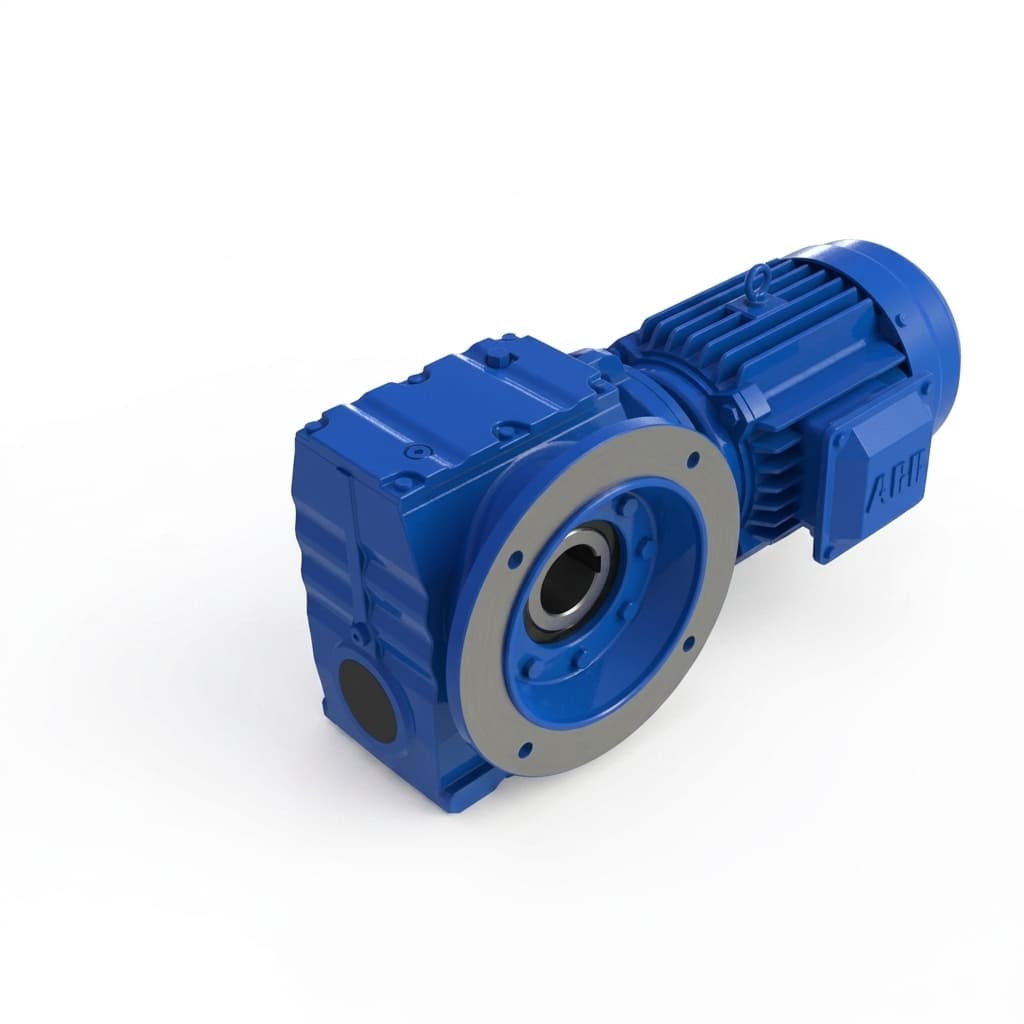
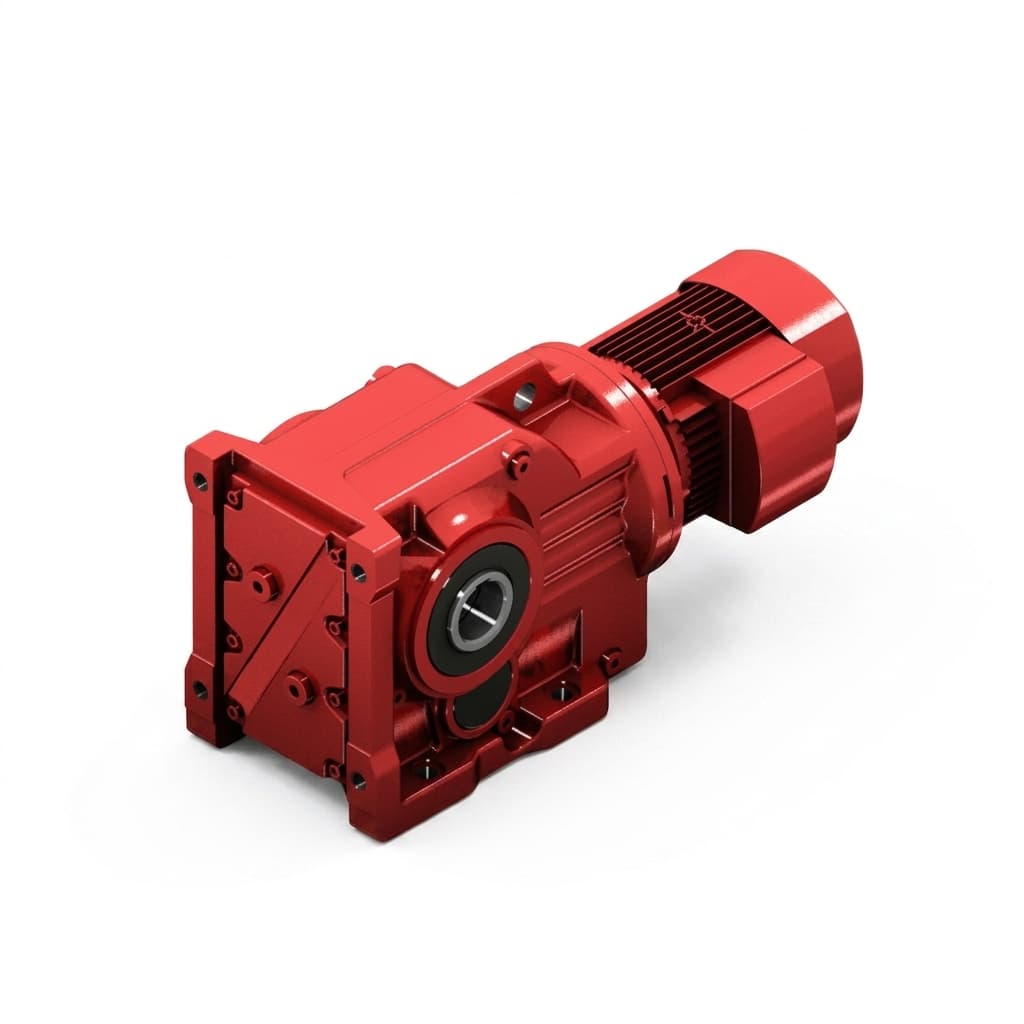
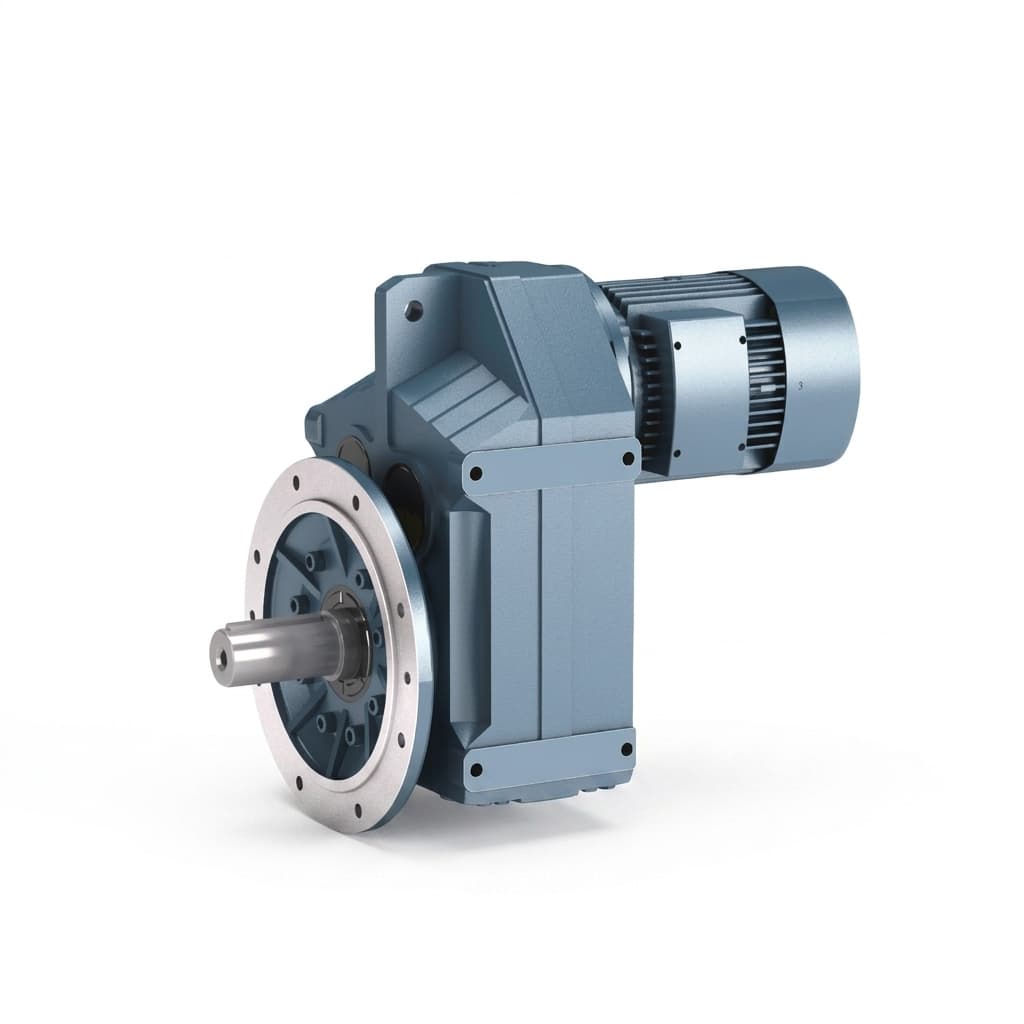
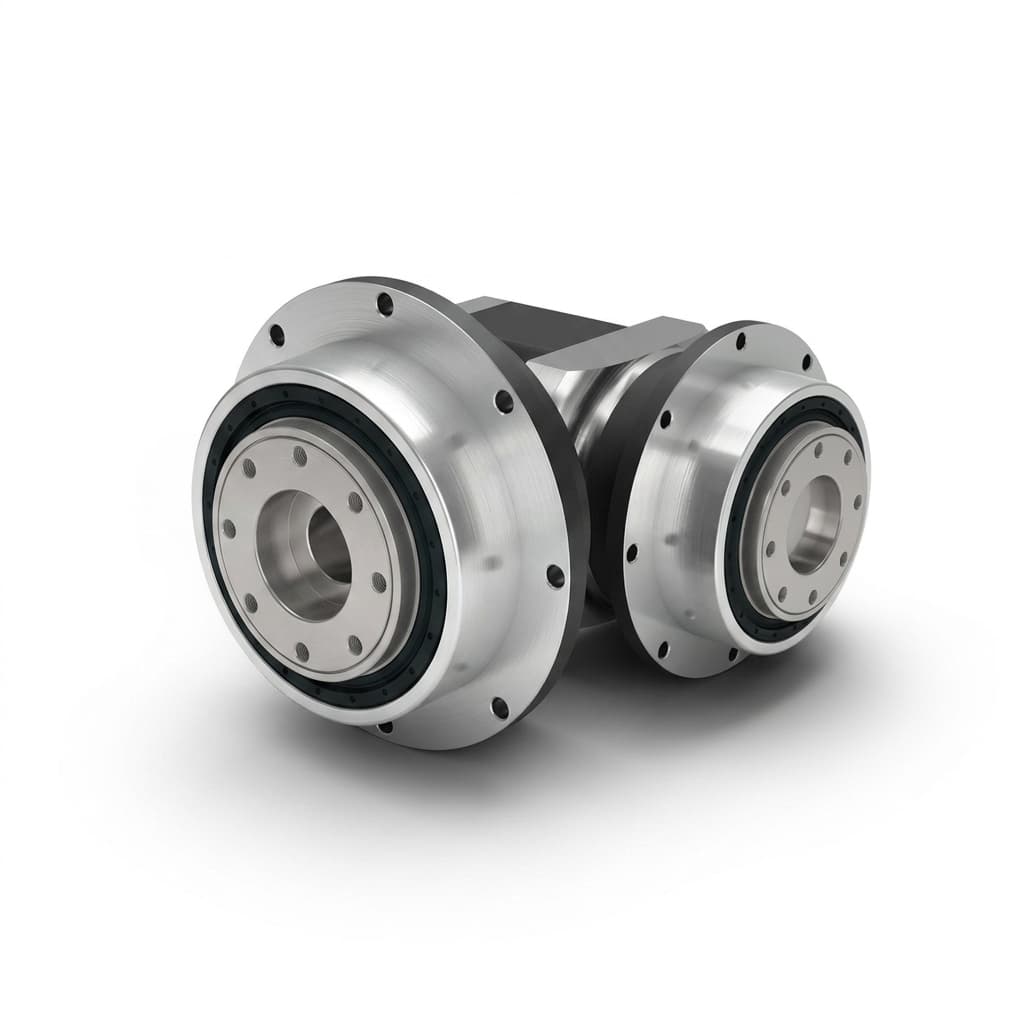
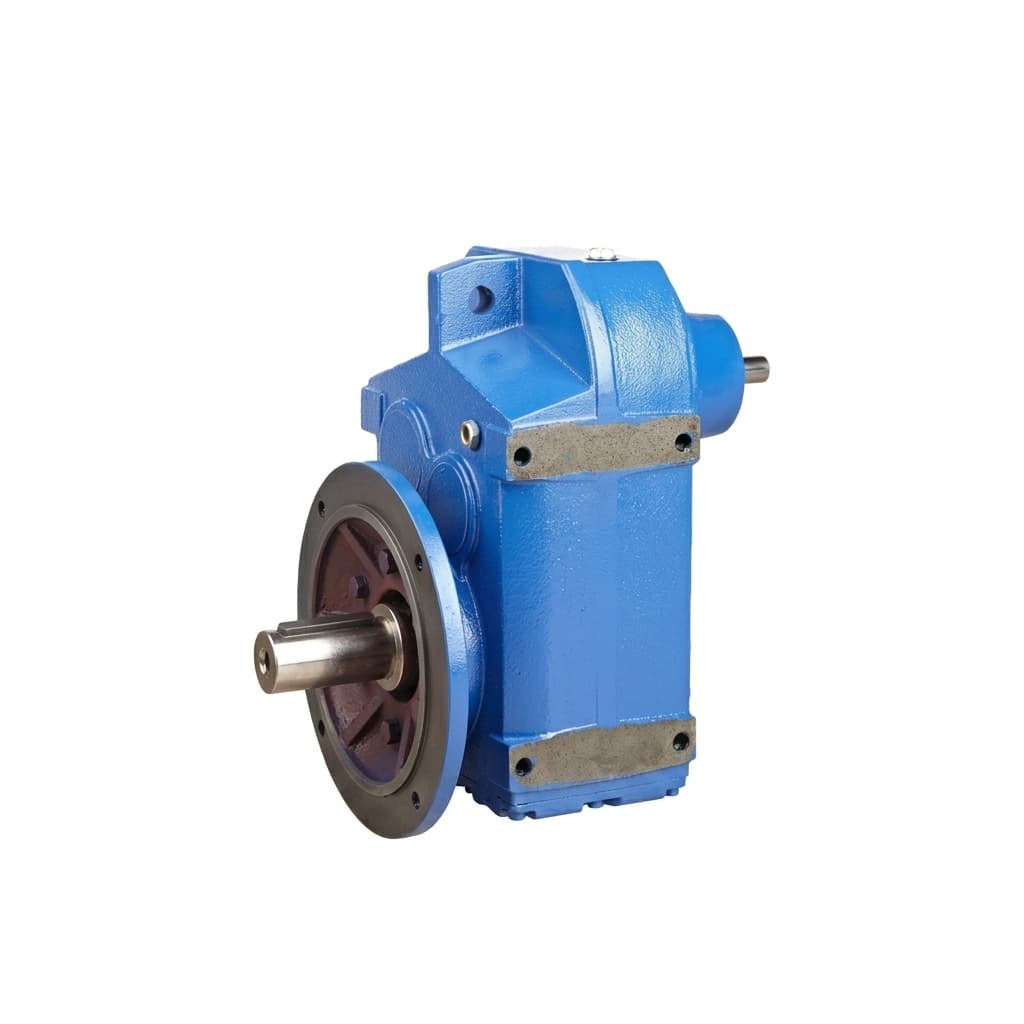
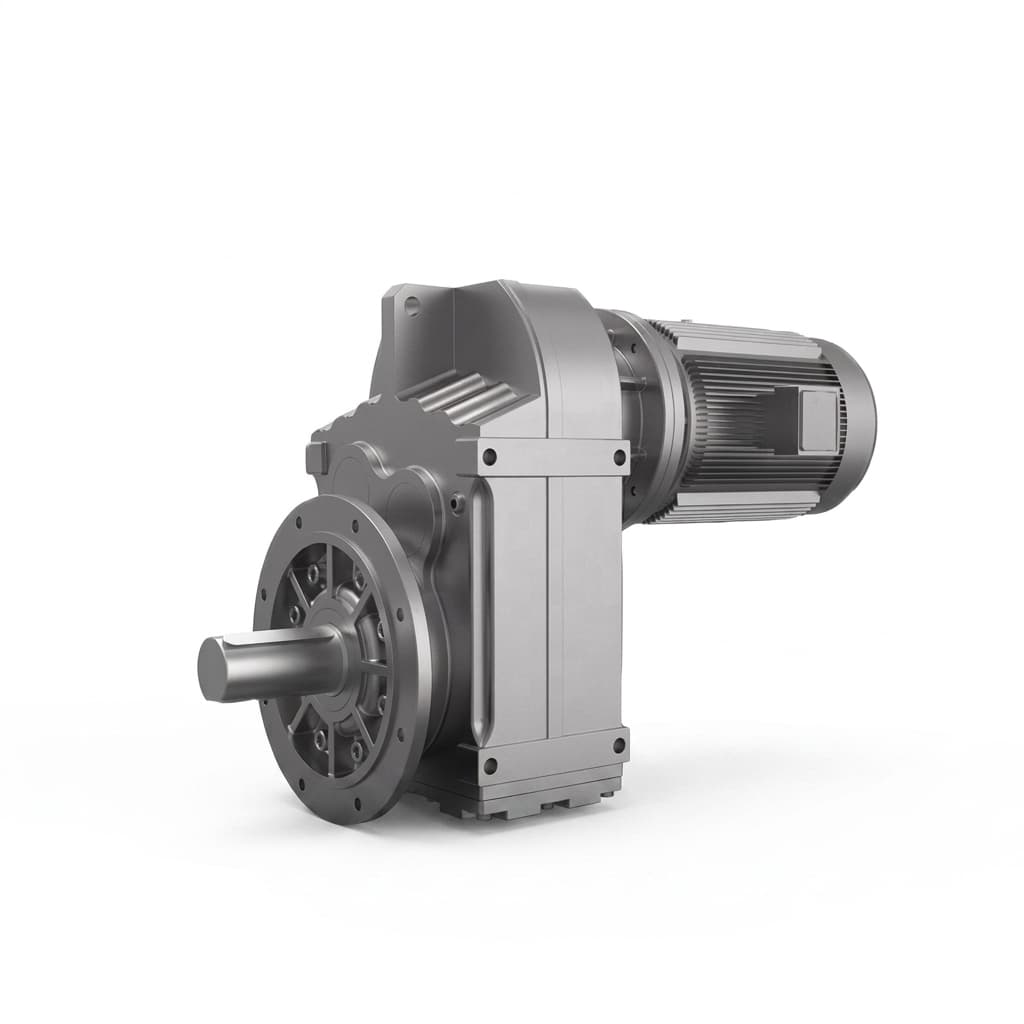
Use these references when discussing envelope, shaft style, and gearbox packaging constraints with suppliers.

12V DC gearhead reference for compact automation modules
Compact 12V gearhead candidate for feeder and gate drives
Small-frame planetary gearhead for low-voltage integration
Planetary gearhead benchmark for torque-density comparison
Industrial-grade reducer reference for higher-load DC scenarios
DC gearhead packaging reference for RFQ envelope checks

Decision FAQ

Grouped by selection logic, commercial choices, and risk controls for faster cross-team alignment.

Selection Logic

Commercial Decisions

Risk and Validation

Next Step

Keep this page as your single decision source: run the tool, attach the output to RFQ, then request model-level torque-speed and thermal evidence before final supplier commitment.